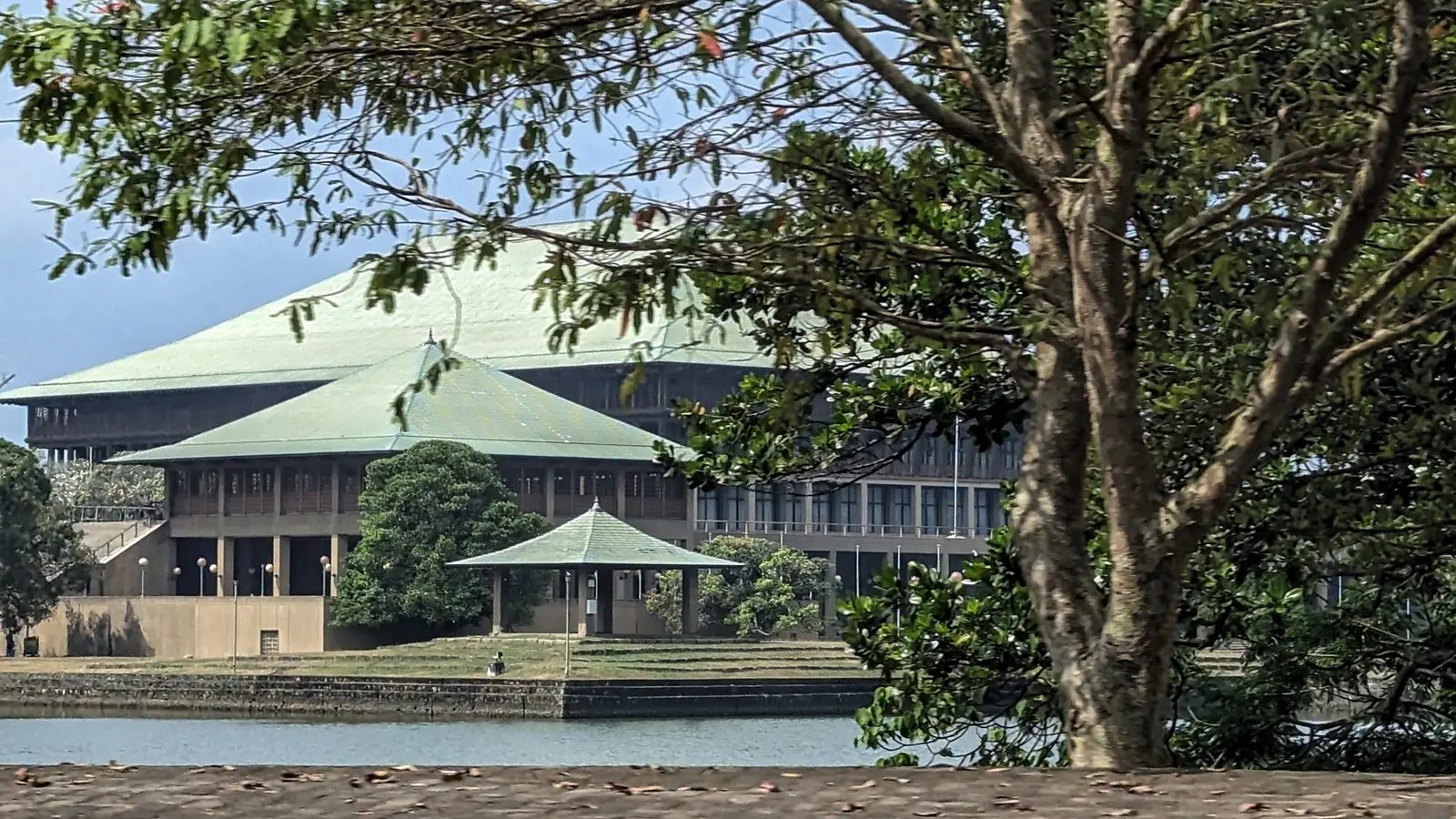
On 12 November 2026, President Anura Kumara Dissanayake, who also holds the finance portfolio, presented Sri Lanka’s 2027 budget to parliament. Alongside the usual fiscal measures, the speech set out a package aimed at attracting private capital: a new investment-promotion agency, two investment laws, and a more generous capital-allowance option for larger Board of Investment (BOI) projects.
A new agency, faster land, and investor-protection laws
The president said Sri Lanka will set up a 100% Treasury-owned investment promotion company, run by private-sector and international professionals and offering market-aligned salaries and allowances, following the model used to establish GovTech. A cabinet committee is to speed up the allocation of state land and recommend concessions based on national importance, job creation and regional location.
To replace outdated rules, two laws are being advanced. The Investment Protection Bill has been referred to the Attorney General for clearance, and is described as protecting investor assets, guaranteeing fair and equal treatment, and providing clear rules for compensation and dispute resolution. A gazetted public-private partnership bill is to be tabled in parliament in early 2027. Authorities have also initiated laws to grant permanent residency to qualifying investors, with customs and labour-law reforms described as upcoming.
These are still legislative and institutional proposals. Their final text, timing and practical effect will depend on parliament, regulations and how the new agency is actually staffed and empowered.
The 200% enhanced capital allowance
The budget proposes that, from 1 April 2027, BOI-approved enterprises investing at least USD 3 million in export-oriented manufacturing or tourism development would have the option to claim a 200% enhanced capital allowance on qualifying capital expenditure.
To qualify, the investment would have to be completed within three years for manufacturing and non-hotel tourism projects, and within five years for hotels. Enterprises that choose this incentive would not be allowed to claim existing capital allowances under the Fourth Schedule, or enhanced capital allowances under the Second Schedule, of the Inland Revenue Act. Unlike the existing Second Schedule concessions, which are tied to depreciable assets and to the geographic location of the investment, the proposed allowance is described as applying strictly to qualifying capital expenditure within the stipulated timeframe, without a location-based distinction.
Other tax-base changes
The same budget also proposes broadening capital gains tax, proposed to take effect from 1 April 2027, by amending Section 195 of the Inland Revenue Act to expand the definition of a “capital asset” and bring additional asset classes within the tax, including cryptocurrencies, licences and gems, according to contemporary reporting of the proposals. Anyone with a planned share sale, licence transfer or similar transaction should take specific tax advice rather than relying on a budget headline.
What it means for Israeli investors
For Israeli investors, the most immediately relevant item is the optional 200% capital allowance for BOI-approved export manufacturing and tourism projects of USD 3 million or more. That is large enough to matter for a hotel, a manufacturing plant or a substantial tourism development, and the lack of a location condition could make sites outside traditional incentive zones more interesting — provided the project can be completed within the three- or five-year window, and provided the investor is willing to forgo the older capital-allowance schedules.
The proposed investment-protection law, the new promotion agency and the residency track are also worth watching, but they are not yet in force. The 2027 budget is also one of the conditions the IMF attached to Executive Board consideration of the seventh review, so its consistency with the programme will be scrutinised. Structuring a project around an incentive proposed to take effect from 1 April 2027 needs local tax and legal advice, and a clear view of BOI approval timing.
Kenglobe Lanka can help you test whether a planned hotel, manufacturing or tourism project would qualify, and how the new option compares with existing incentives. We do not publish government application portals or official filing routes on this page; the next step is to speak with us.
Talk to us
If you would like to discuss how the 2027 budget measures could affect an investment in Sri Lanka, contact Kenglobe Lanka. Write to sh@kenigs.com or message us on WhatsApp.
This page is general information, not tax, legal or investment advice. Budget proposals can change as they move through parliament and into regulation.